
Index of English Translations of Sumerian Clay Tablets
Sumerian clay tablets that, as far as we could check, had no published English translation. We translate them ourselves. The page linked above is the index of the series. A new tablet is a new row there, not a list copied into every story.
All translations are new and unofficial, made from transliterations on the Cuneiform Digital Library Initiative (CDLI), and may contain errors. Tablet images are credited to the holding institutions and CDLI. Dates use the conventional middle chronology and are approximate.
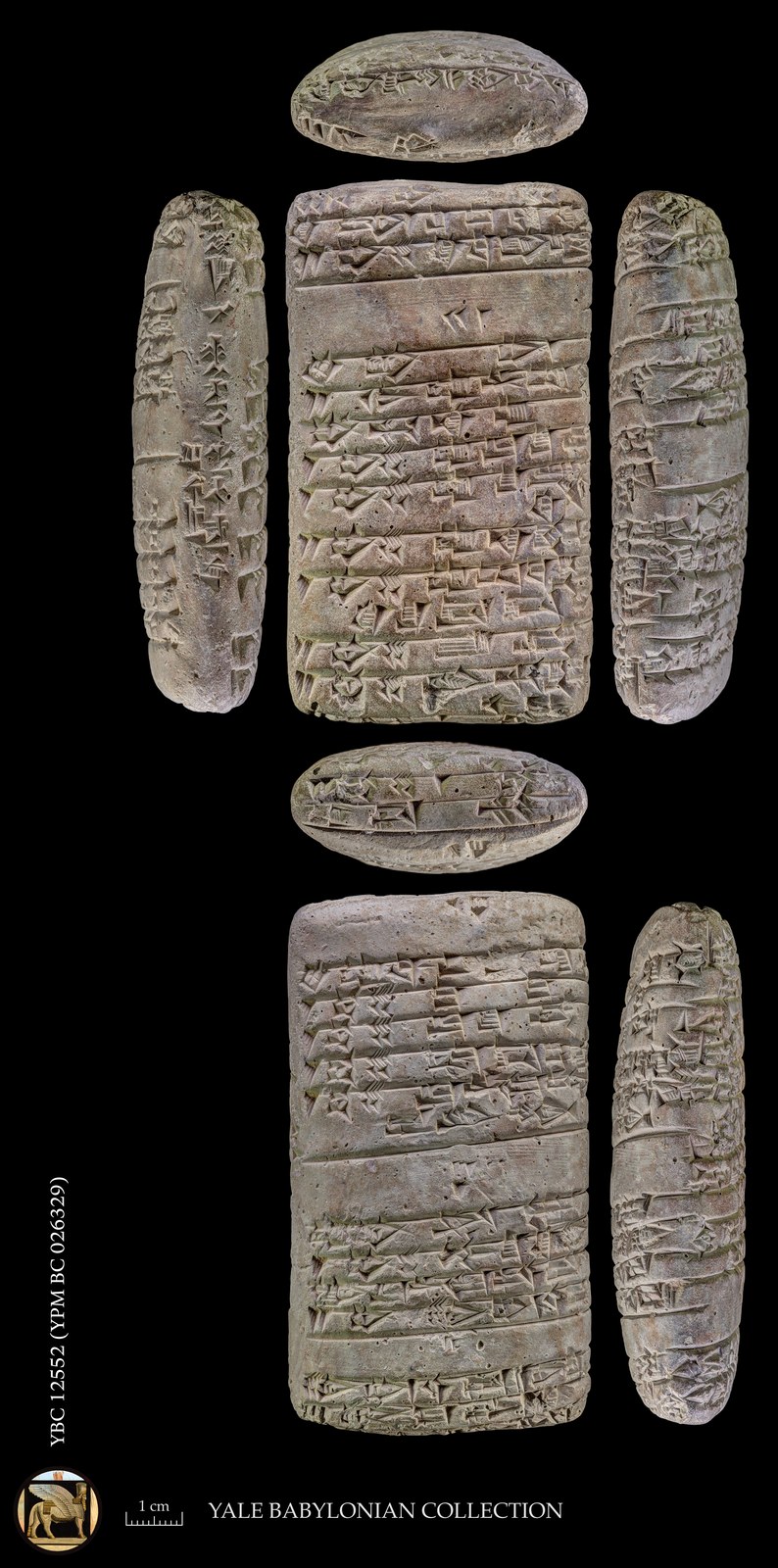
“1 fattened ox, sealed by Šu-Suen, the judge.”
A cattle account from Puzriš-Dagan’s orbit. Oxen come in from the governor of Umma and from Bagatum; they go out under named seals. One of those seals belongs to a judge called Šu-Suen.
The tablet is dated to the month Še-kin-ku5 of the year “Huhnuri was destroyed”, Amar-Suen’s seventh year, around 2040 BC. The action is set at Tummal, the cult town near Nippur.
The account
Nineteen fattened oxen from the governor of Umma, and two from Bagatum, make twenty-one. From that pool the scribe books oxen out under seals: Nanše-kam, Ur-šumah, Šu-Suen the judge, Nabi-Suen, Abbasaga, the grand vizier, Lu-balasaga the captain, and others. Some seals are still “to be brought”. Intaea takes three oxen back into his own hand. The balance is “returned to its place” by Intaea at Tummal.
The same judge
In A Sheep for Šulgi’s Throne, a judge named Šu-Suen delivered a sheep for the throne of the deified Šulgi in Amar-Suen’s first year. This tablet, six years later, shows a judge of the same name sealing a fattened ox. We treat them as the same official. We do not identify him with the later king Šu-Suen.
What the tablet doesn’t tell us
We don’t know what the ox sealed by the judge was for.
We don’t know why so many different seals appear on one cattle list.
We don’t know Bagatum’s office.
And we don’t know how Tummal’s cattle related day to day to the Drehem central office, only that Intaea appears in both worlds.
Judges in the livestock books
Judges in this series usually appear in oaths and travel rations. Here a judge is a sealer of cattle. The livestock office used the same trusted names that other branches of the state used. Šu-Suen’s seal on an ox is a small proof of that overlap.
The tablet in full (our translation)
Front: 19 fattened oxen from the governor of Umma; 2 fattened oxen from Bagatum; total 21. From that: 2 cows, sealed by Nanše-kam (oxen in Na’um’s name); 1 fattened ox, sealed by Ur-šumah; 1 fattened ox, sealed by Šu-Suen the judge; 2 fattened oxen, sealed by Nabi-Suen; 1 fattened ox, sealed by Abbasaga, from Šu-Kabta; 2 fattened oxen of the grand vizier; 2 fattened oxen of Lu-balasaga the captain; 2 fattened oxen and 1 ox, sealed by Ušmu; (subtotal) 14.
Back: On tablet, set aside. 1 fattened ox: Kuku; 1: Ur-šumah; 1: Adda-kalla; 1: Ur-Šulpae the meat man; (subtotal) 4: their seals are to be brought. 1 fattened ox: Pušukin, via Ur-Šulpae; 2 oxen: Intaea; (subtotal) 3: Intaea received them. At Tummal. Returned to its place by Intaea.
Left edge: Month: Še-kin-ku5. Year: Huhnuri was destroyed.
How we read it
Key lines in transliteration: 1(disz) gu4 niga kiszib3 szu-{d}suen di-ku5, “1 fattened ox, sealed by Šu-Suen the judge”; sza3 tum-ma-al{ki}, “at Tummal”; and ki-be2 gi4-a, “returned to its place”.
Uncertain: several personal names’ offices; what “seals to be brought” implies in practice; and Bagatum’s role.
Our confidence: medium-high. The structure of the balanced account is clear; some names and side notes are less so.
This translation is new and unofficial, made from the CDLI transliteration, and may contain errors. “Untranslated” means we found no translation on CDLI or in the tablet’s publication history (SAT 2, 2000 (Sigrist), transliterations of Yale tablets). Dates use the conventional middle chronology and are approximate.
For the full description of sources, method, uncertainties, dating conventions, limitations, and how to report corrections, see About the Translations and Methodology.
Further reading
- CDLI artifact page for P144262
- A Sheep for Šulgi’s Throne (P143881), the same judge in Amar-Suen 1
- C. Tsouparopoulou, “A Reconstruction of the Puzriš-Dagan Central Livestock Agency” (2013)
- Wikipedia, “Amar-Sin”
- Wikipedia, “Tummal”
- Wikipedia, “Third Dynasty of Ur”
- ePSD2, the electronic Pennsylvania Sumerian Dictionary